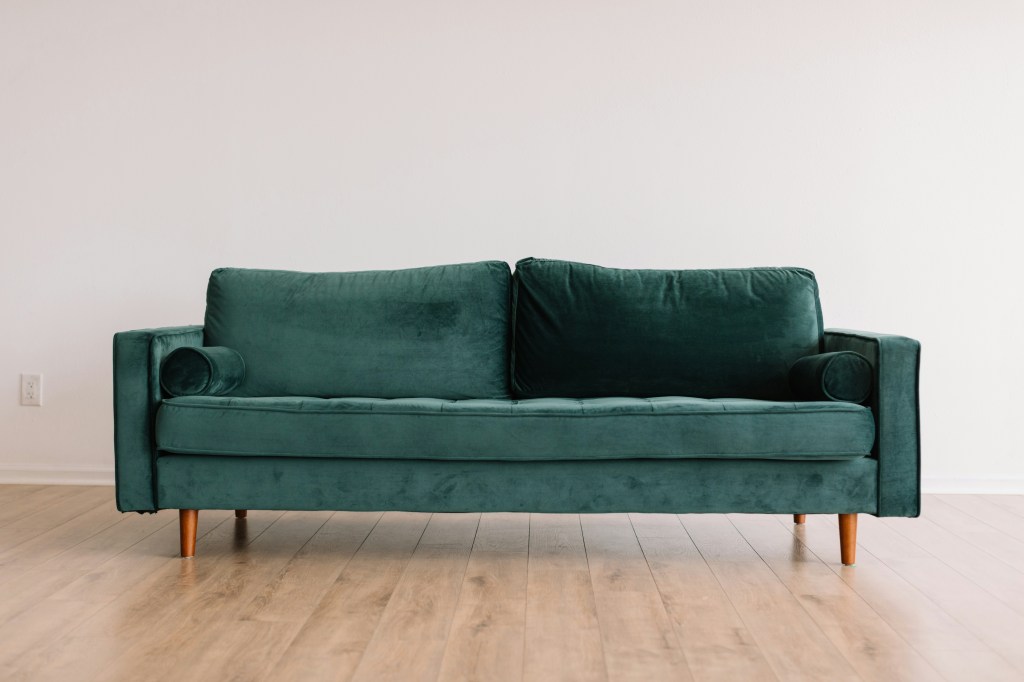
Is your beloved couch showing signs of wear and tear, or has it lost its aesthetic appeal? Before you consider tossing it to the curb, think about the transformative power of reupholstering. Reupholstering a couch can breathe new life into your living space and give your favorite piece of furniture a fresh lease on life. In this comprehensive guide, we’ll take you through the process of reupholstering a couch step by step, from choosing the right fabric to putting on the finishing touches.
Materials and Tools You’ll Need
Before you begin, gather the following materials and tools:
Materials:
- Fabric: Choose a durable upholstery fabric that suits your style and matches your decor.
- Batting: Provides cushioning and softness. You’ll need enough to cover the entire couch.
- Foam: For cushion filling if your couch has removable cushions.
- Dacron: Used to wrap cushions for a smoother appearance.
- Upholstery Tacks or Staples: To secure the fabric to the frame.
- Zipper: If your couch has cushions that need to be removed.
- Thread: Strong upholstery thread that matches your fabric.
- Piping or Trim (Optional): Adds a decorative edge to the couch.
Tools:
- Screwdriver or Drill: For removing and reattaching hardware.
- Needle-Nose Pliers: Useful for removing staples and tacks.
- Scissors: To cut fabric and batting.
- Upholstery Staple Gun: For attaching fabric and batting securely.
- Hot Glue Gun: If you’re using trim or piping.
Steps to Reupholstering a Couch
Step 1: Preparation
- Clear the area around your couch to provide ample space for work.
- Remove any cushions, pillows, or covers.
- Take photos of the couch from different angles to help you remember how it looked before disassembly.
- If your couch has removable legs or hardware, use the screwdriver or drill to detach them.
Step 2: Stripping the Old Fabric
- Begin removing the old fabric carefully. Use needle-nose pliers to pull out staples or tacks.
- Keep track of the order in which pieces of fabric and batting are removed, as you’ll use them as templates for cutting new pieces.
Step 3: Replacing Cushions and Padding (If Needed)
- If your couch cushions need replacement, measure and cut foam to the appropriate size.
- Wrap the foam with Dacron batting to create a smooth surface.
Step 4: Cutting and Attaching New Fabric
- Use the old fabric pieces as templates to cut your new upholstery fabric. Add a few inches of excess to ensure a snug fit.
- Start by attaching batting to the frame with upholstery staples or tacks.
- Lay the fabric over the batting and frame, ensuring it’s centered and free of wrinkles.
- Begin securing the fabric using staples or tacks along the edges. Work your way from one side to the other, pulling the fabric taut as you go.
Step 5: Sewing and Adding Details (Optional)
- If your couch has piping or trim, use a hot glue gun to attach it along the edges of the fabric.
- Sew any loose cushions or pillows, using a zipper if necessary.
Step 6: Reassembling and Finishing
- Reattach any hardware, legs, or feet that were removed.
- Place your cushions back on the couch.
Step 7: Enjoy Your Newly Reupholstered Couch
- Admire your handiwork and relax on your refreshed couch.
Conclusion
Reupholstering a couch is a satisfying DIY project that can transform your living space and extend the life of your furniture. With the right materials, tools, and attention to detail, you can give your couch a stylish and functional makeover that reflects your personal style. So, roll up your sleeves, choose your favorite fabric, and start reupholstering – your revitalized couch awaits!
Well, that’s all I have for today, I hope this helps you on your journey.
Thank you for reading Everything Frugal.
- Frugal Resolutions for 2025: Simple Tips to Save Money
- Master Your Budget: 5 Essential Steps for Financial Success
- The Frugal Scoop
- Frugal Living Lessons from the Caribbean
- Declutter Your Home This Fall: Tips for a Fresh Start

 GetEverythingFrugal
Leave a comment