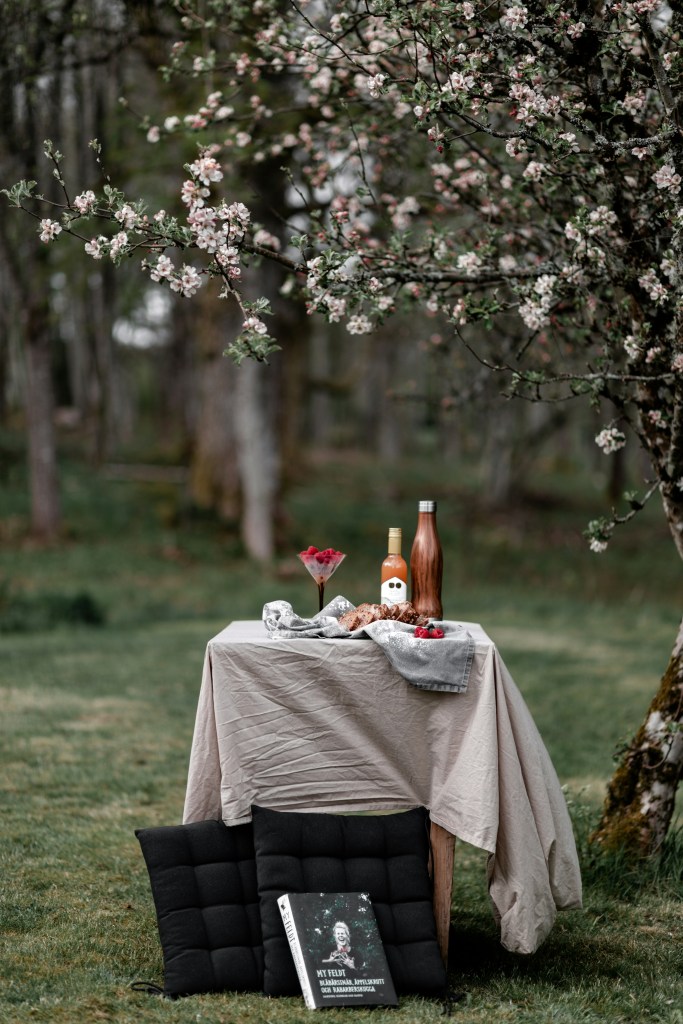
There’s something inherently satisfying about enjoying a glass of wine that you’ve crafted with your own hands. Making homemade wine is a delightful and rewarding hobby that allows you to create unique flavors and share your creations with friends and family. In this blog post, we’ll take you through the basics of making homemade wine, from selecting the right grapes or fruit to bottling your wine for a satisfying sip.
Ingredients and Equipment
Before diving into the winemaking process, it’s essential to gather the necessary ingredients and equipment. Here’s what you’ll need:
Ingredients:
- Fruit: You can use grapes, apples, peaches, cherries, or any fruit of your choice. Ensure they are ripe and free from mold or rot.
- Sugar: Typically, white granulated sugar is used to boost the alcohol content. The amount varies depending on the fruit and desired sweetness level.
- Yeast: Wine yeast is essential for fermentation. It’s available in various strains, each offering unique characteristics to your wine.
- Water: Make sure your water is clean and free from chlorine, as it can interfere with fermentation.
Equipment:
- Fermentation Vessel: A food-grade plastic or glass container with an airtight lid and an airlock.
- Hydrometer: To measure the specific gravity and monitor the fermentation progress.
- Siphon Tubing: For transferring the liquid between containers without disturbing sediment.
- Glass Carboys or Bottles: For secondary fermentation and aging.
- Airlock: To allow gases to escape during fermentation without letting air in.
- Corks or Screw Caps: For sealing bottles.
- Bottle Filler: To make bottling easier and reduce oxygen exposure.
- Sanitizing Solution: To ensure all equipment is clean and free from contaminants.
The Winemaking Process
- Selecting and Preparing Fruit: Start by selecting ripe and high-quality fruit. Wash and crush the fruit to extract the juice and pulp. Remove any seeds or stems.
- Primary Fermentation: Place the crushed fruit in the fermentation vessel and add sugar and water. Stir to dissolve the sugar, and then add the yeast. Seal the vessel with an airlock and allow it to ferment for about one to two weeks.
- Monitoring Fermentation: Use a hydrometer to track the specific gravity, which will decrease as fermentation progresses. When it stabilizes, primary fermentation is complete.
- Secondary Fermentation: Transfer the liquid (now called “must”) to glass carboys or bottles, leaving some space at the top to accommodate gas production. Attach airlocks to allow gases to escape.
- Aging: Store the containers in a cool, dark place for several months to allow the wine to clarify and develop flavors. The aging process can vary depending on the type of wine you’re making.
- Racking: Periodically, transfer the wine to a new container, leaving behind any sediment that has settled at the bottom. This helps clarify the wine.
- Bottling: Once the wine has reached the desired taste and clarity, it’s time to bottle it. Use a siphon and bottle filler to transfer the wine to clean bottles, leaving some space at the top for expansion.
- Corking or Capping: Seal the bottles with corks or screw caps, ensuring an airtight seal.
- Labeling and Storage: Create labels for your homemade wine and store it in a cool, dark, and stable environment. Wine improves with age, so patience is key.
Tips for Success
- Sanitization: Ensure all equipment is thoroughly sanitized to prevent contamination and spoilage.
- Quality Ingredients: Use high-quality fruit and ingredients for the best results.
- Keep Records: Maintain detailed records of the winemaking process, including ingredient quantities, specific gravity readings, and tasting notes.
- Experiment: Don’t be afraid to experiment with different fruit varieties, yeast strains, and fermentation techniques to create unique flavors.
Conclusion
Making homemade wine is a fascinating journey that allows you to tap into your creativity and create delicious, unique wines to enjoy and share. While there’s a learning curve, the satisfaction of producing your own wine is well worth the effort. So, gather your ingredients, equipment, and enthusiasm, and embark on the rewarding journey of making homemade wine. Sip, savor, and celebrate your winemaking achievements!
Well, that’s all I have for today, I hope this helps you on your journey.
Thank you for reading Everything Frugal.
- Frugal Resolutions for 2025: Simple Tips to Save Money
- Master Your Budget: 5 Essential Steps for Financial Success
- The Frugal Scoop
- Frugal Living Lessons from the Caribbean
- Declutter Your Home This Fall: Tips for a Fresh Start

 GetEverythingFrugal
Leave a comment