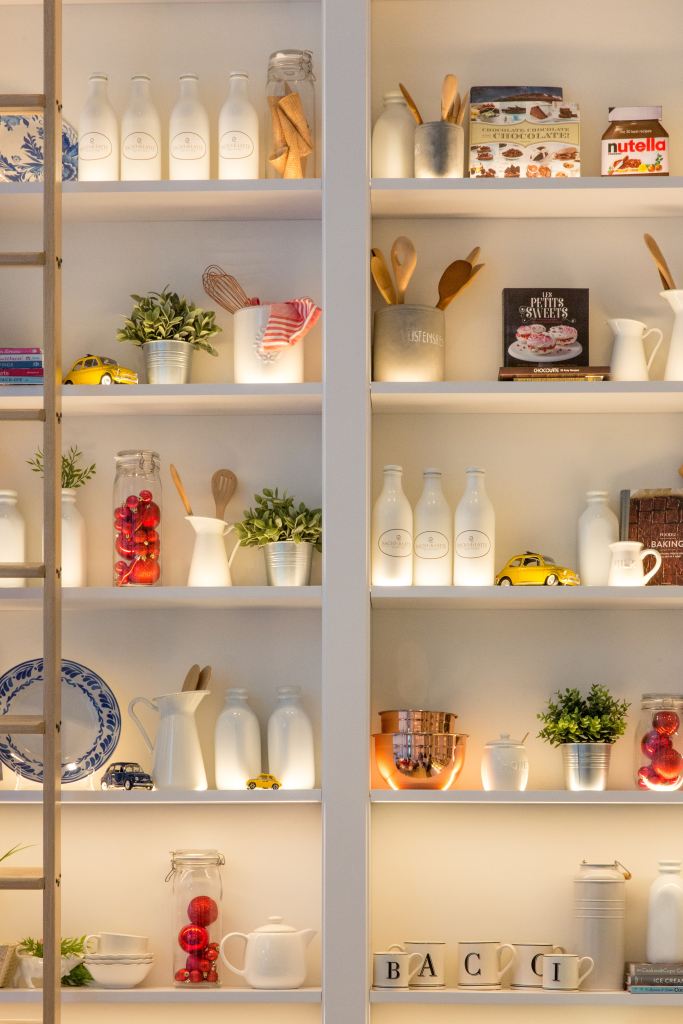
A well-organized kitchen can make cooking more enjoyable and efficient, save you time, and reduce stress. Whether you’re starting from scratch or looking to reorganize your existing kitchen, this step-by-step guide will help you create a functional and aesthetically pleasing kitchen space.
Step 1: Assess Your Needs
Begin by assessing your kitchen and its current state. Consider your cooking habits, family size, and any specific requirements you have. Identify the problem areas or pain points in your kitchen that need addressing.
Step 2: Declutter and Donate
Before organizing, declutter your kitchen by removing items you no longer need or use. Donate or discard appliances, utensils, or cookware that are taking up space but serving no purpose.
Step 3: Divide into Zones
Divide your kitchen into functional zones based on activities like cooking, food prep, storage, and cleaning. This will help you place items where they’re most accessible and efficient.
- Cooking Zone: Store pots, pans, oven mitts, and cooking utensils close to the stove.
- Prep Zone: Keep cutting boards, knives, mixing bowls, and measuring cups near the prep area.
- Storage Zone: Store food containers, pantry staples, and spices in the cabinets and pantry.
- Cleaning Zone: Place dish soap, scrub brushes, and dish towels under the sink for easy access.
Step 4: Optimize Storage
Maximize your storage space with these tips:
- Use adjustable shelves or pull-out drawers to make the most of your cabinets.
- Install hooks or pegboards inside cabinet doors for hanging utensils or pot lids.
- Use clear containers or labels to identify pantry items easily.
Step 5: Arrange Based on Frequency
Arrange items based on how often you use them. Frequently used items should be easily accessible, while less-used items can be stored higher or in less convenient spaces.
Step 6: Invest in Drawer Organizers
Drawer organizers are valuable for keeping utensils, cutlery, and small kitchen gadgets neat and accessible. Choose organizers that fit your drawers and suit your needs.
Step 7: Store Vertically
Utilize vertical storage to save space. Install hooks for hanging pots and pans, install a spice rack on the wall, or use a pegboard for utensils.
Step 8: Label Everything
Use labels to identify containers, drawers, and shelves. This helps you and other family members quickly find what you need and ensures items are returned to their proper places.
Step 9: Keep Countertops Clear
Clear countertops not only look more organized but also provide ample workspace for cooking. Store appliances you use less frequently in cabinets or a designated appliance garage.
Step 10: Regularly Declutter and Clean
Maintain your organized kitchen by regularly decluttering and cleaning. Set aside time every few months to review your kitchen’s organization and make adjustments as needed.
Conclusion
An effectively organized kitchen not only streamlines your cooking process but also enhances the overall functionality of your home. By following this step-by-step guide and customizing it to your unique needs, you can create a kitchen that is both efficient and aesthetically pleasing. Remember that organization is an ongoing process, so don’t hesitate to make adjustments as your needs and preferences change over time. Enjoy your well-organized and inviting kitchen!
Well, that’s all I have for today, I hope this helps you on your journey.
Thank you for reading Everything Frugal.
- Frugal Resolutions for 2025: Simple Tips to Save Money
- Master Your Budget: 5 Essential Steps for Financial Success
- The Frugal Scoop
- Frugal Living Lessons from the Caribbean
- Declutter Your Home This Fall: Tips for a Fresh Start

 GetEverythingFrugal
Leave a comment