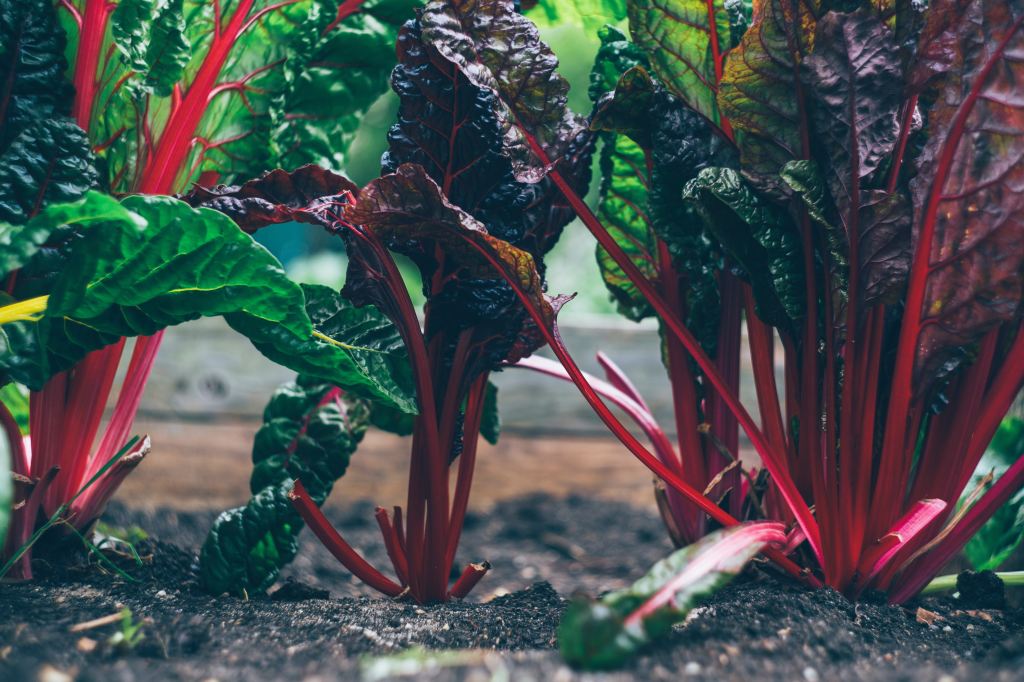
Composting is a simple yet highly effective way to reduce waste, enrich your garden’s soil, and contribute to a more sustainable lifestyle. Whether you’re a gardening enthusiast or a beginner looking to make your first foray into composting, this guide will help you get started on the path to turning kitchen scraps and yard waste into black gold for your garden.
1. Understanding the Basics of Composting
Before you dive into composting, it’s essential to understand the basic principles. Composting is the natural process of decomposing organic materials into nutrient-rich soil conditioner. The key ingredients for successful composting are green materials (rich in nitrogen), brown materials (rich in carbon), air, and water.
2. Choosing the Right Location
Select a suitable location for your compost pile or bin. Ideally, it should be on level ground with good drainage. You can choose from various composting methods, such as open piles, enclosed bins, or tumblers, depending on your space and aesthetic preferences.
3. What to Compost
Green materials (high nitrogen content):
- Fruit and vegetable scraps
- Coffee grounds and tea bags
- Eggshells
- Grass clippings (in moderation)
- Plant trimmings (non-diseased)
Brown materials (high carbon content):
- Dry leaves
- Straw or hay
- Shredded newspaper or cardboard (free from colored ink)
- Twigs and small branches
- Sawdust (from untreated wood)
4. What Not to Compost
Avoid adding the following items to your compost pile:
- Meat, fish, or dairy products (they can attract pests)
- Diseased or pest-infested plants
- Weeds with mature seeds
- Pet waste (due to potential pathogens)
- Non-organic materials like plastics or metal
5. Layering Your Compost Pile
For efficient composting, layer your materials. Begin with a layer of brown materials, followed by a layer of green materials. Continue this alternating pattern, adding small amounts of water as you go to maintain the moisture level similar to a wrung-out sponge. This balance of greens and browns ensures proper decomposition.
6. Turning and Aeration
Regularly turning your compost pile or mixing the contents in an enclosed bin helps aerate the pile. This introduces oxygen, which is essential for the decomposition process. A well-aerated compost pile decomposes faster and produces fewer odors.
7. Monitoring Temperature and Moisture
Composting is an active process that generates heat as materials break down. Use a compost thermometer to monitor the internal temperature of your pile, aiming for temperatures between 130°F and 160°F (54°C and 71°C). Also, ensure that your compost pile remains consistently moist but not waterlogged.
8. Troubleshooting Common Issues
- Smelly compost: This may indicate an imbalance of materials. Add more brown materials to absorb excess moisture and odors.
- Pests: To deter pests, bury kitchen scraps beneath a layer of browns, and avoid adding meat, dairy, or oily foods.
- Slow decomposition: Ensure proper aeration, maintain the right carbon-to-nitrogen ratio, and keep the pile moist but not soggy.
9. Harvesting Your Compost
Compost is ready when it resembles dark, crumbly soil and has an earthy smell. This process typically takes several months to a year, depending on various factors. To use your compost, simply scoop it out and incorporate it into your garden soil as a natural fertilizer and soil conditioner.
10. Enjoy the Benefits
Composting not only reduces waste but also enriches your garden soil, promotes healthier plant growth, and contributes to a more sustainable lifestyle. By following these steps and being patient, you’ll soon experience the rewards of your composting efforts in the form of lush, thriving plants and an eco-friendlier garden.
Conclusion
Composting is a rewarding and eco-friendly practice that anyone can embrace. With the right knowledge and commitment, even beginners can turn kitchen scraps and yard waste into nutrient-rich compost for their gardens. By following these steps and maintaining the right balance of materials, you’ll be well on your way to becoming a successful composter and contributing to a greener, more sustainable world. Happy composting!
Well, that’s all I have for today, I hope this helps you on your journey.
Thank you for reading Everything Frugal.
- Frugal Resolutions for 2025: Simple Tips to Save Money
- Master Your Budget: 5 Essential Steps for Financial Success
- The Frugal Scoop
- Frugal Living Lessons from the Caribbean
- Declutter Your Home This Fall: Tips for a Fresh Start

 GetEverythingFrugal
Leave a comment