The one frugal thing that has carried me through the years was stockpiling. There were a few times throughout my life I was out of work with two small children. There is nothing worse than not being able to feed your children. Yet for me there was never a time that my children went without food. I was always able to have a meal on the table due to me learning how to stockpile food and cook from scratch.
I remember my grandmother asking why I grocery shopped like I was feeding an Army. I told her if I run out of money, we will still have food and we did.
A good stockpile is not just hoarding food or stuff. It is strategic strategy that you are able to use to keep your family from going without food. It is also a great way to save thousands of dollars when it comes to the cost of food and your monthly budget.
If you are trying to live a more stable and simpler life this is a tool that you will be able to use to better, yourself and your family.
Grocery Budget
You need to set a grocery budget, start by finding out how much you spend each month on food. Then find out how much money you are able to set aside to start your stockpile. Once you set a budget stick to it.
Make a Plan
Set down and plan how big you want your stockpile to be. How long do you want your food to last? Think about what works for you and your household. Ask yourself these questions:
- How much money are you able to set a side?
- How long do you want your food storage to be, 3 months, six months or a year?
- How do you plan to stockpile, buy as much as you can in bulk or a little bit at a time?
- Do you plan to grow a garden?
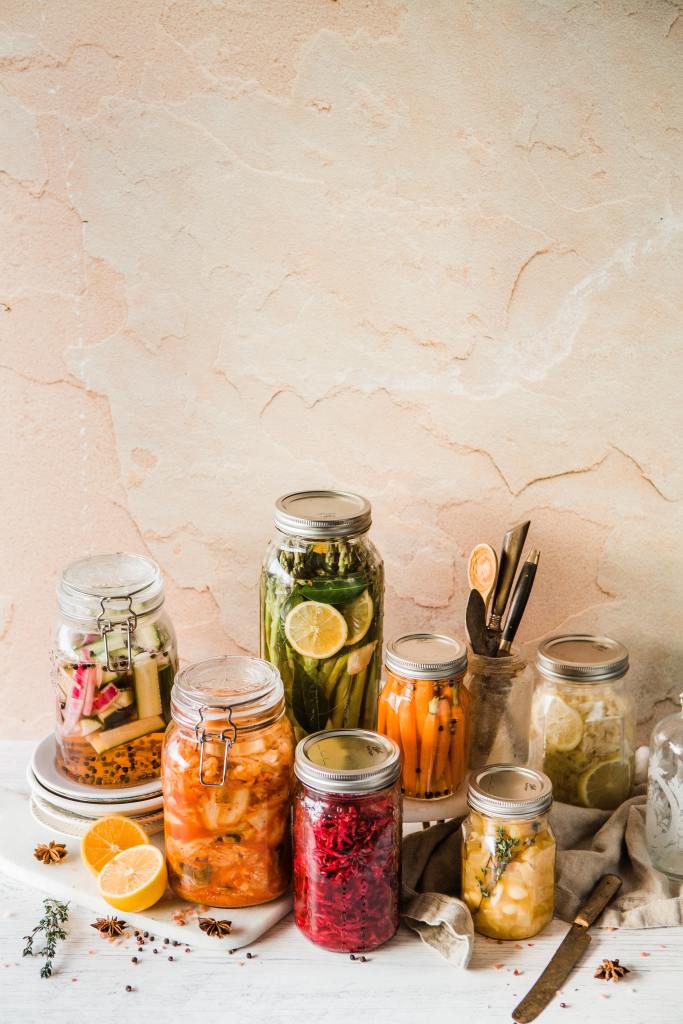
- Do you plan on Canning your own food? or do you plan on store bought?
Deep Freezer
The first thing you will need to do is get a deep freezer (if you don’t already own one) if you have the room for one.
This is a good place for storing freezer foods for a long period of time. If you are able to have a freezer, then you will be able to have food stored for months and in some cases years. This will eliminate groceries from your monthly budget.
Freezer Bags
The next thing you will need to do is stock up on freezer bags or invest in a Food Saver. This is what you will use to store food in both your freezers, the one in your refrigerator and the deep freezer.
A lot of older frugal people like to reuse freezer bags; however, I feel like the food saver is much better because of the vacuum seal. It allows food to be stored longer without any freezer burning. They are not expensive, they come in many different sizes, so you are able to buy one that fits your home.
Another thing you can use is silicone reusable food storage bags. These are good for people that want to be more Eco- Friendly. They are also very versatile like regular freezer bags. You can also get these in different colors and sizes to fit all your needs.
Airtight containers
These are used for your pantry area. You will need to have a variety of sizes and you want to make sure that they are of good quality. You have to make sure they have an airtight seal so that no air or moister is able to get in (or bugs).
At first, I used plastic containers from the dollar store. I had to stop using them because they did not seal tight enough witched caused me to through a lot of food away (I was just throwing money down the drain).
After you have all of your supplies you are ready to start your stockpile.
Most people will tell you to start with your pantry, I will not. The first thing you need to start stockpiling is your meat.
Meat
You want to start with meat because it is the most expensive. Meat is the highest cost in any grocery budget.
The smart thing to do with stocking meat is buying in bulk and using extra money that you have. If you are on government assistance, then use most of your food stamps and stock up half your freezer in your kitchen and half your deep freezer with as much meat as you are able to.
Once you are able to stockpile your meat you have removed a major cost from your food budget.
Pantry
After you have a nice size of meat stocked you want to next start stockpiling your pantry. The first thing to stockpile is your dry goods. If you are able to financially buy things in large quantities, then you will be able to build your pantry faster.
If you are not financially able to buy large quantities, then you need to buy extra when you are able to. Dry goods are foods that do not need to be refrigerated.
Start with the following items:
- Flour
- Sugar
- Beans
- Corn Starch
- Spices
- Rice
- Noodles
- Onions
- Potatoes
- Canned Goods.
If you are able to learn home canning, then you should it’s a great skill to have. Also, if you know how to cook from scratch you know that if you have these items on hand you will always have a meal.
Once you have your pantry stocked you should move to vegetables and fruits that you are able to freeze.
Fruit and Vegetables
This will be the last things that you will stockpile. You should buy as much as you can and in bulk than freeze what you are not going to use right away.
If you are planning on growing a garden this will help you tell your garden starts to produce.
Place as much as you can in your kitchen freezer then place the rest into your deep freezer. You don’t need to have a lot of money to stockpile your fruit and vegetables.
The best way to do this is by buying them in season. Fruits and vegetables are cheapest when they are in season.
Inventory
You want to have inventory of everything in your stockpile once it’s complete. You should have a system to keep track of what you are using and how much you use. This way all you have to do is replace the things that you need.
Meal Plan
The last thing you need to do (if you are not already doing it) is start to meal plan.
Since you already have all the food that you need in your home, all you have to do is plan your meals from the food that you have on hand. This will allow you to meal plan for a month or longer.
If you are able to eliminate buying groceries from your monthly budget you will have more money in your budget to put toward paying off debt, saving or investing. It is also good to have food stored in case of an emergency.
If you live in a place that is known for National Disasters having a stockpile is a great idea
Well, that’s all that I have for today, I hope this helps you on your journey.
Thank you for reading Everything Frugal.
- Frugal Resolutions for 2025: Simple Tips to Save Money
- Master Your Budget: 5 Essential Steps for Financial Success
- The Frugal Scoop
- Frugal Living Lessons from the Caribbean
- Declutter Your Home This Fall: Tips for a Fresh Start

 GetEverythingFrugal
Leave a comment