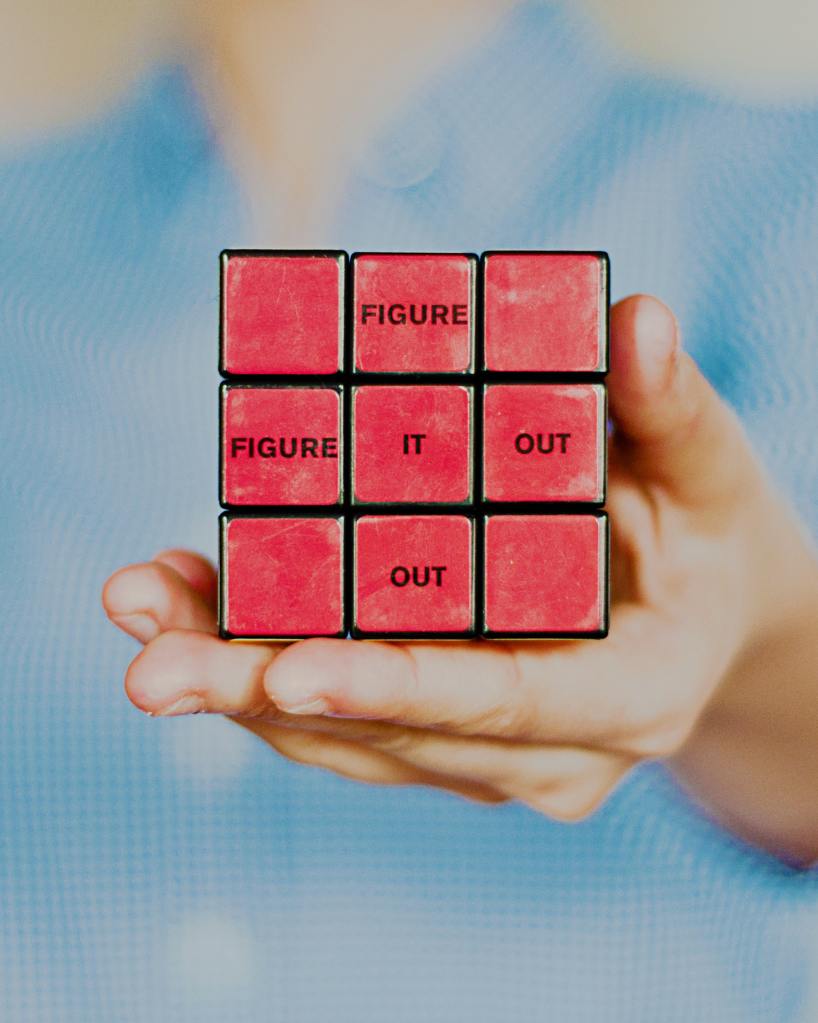
I have started over in my life so many times I just stop counting. One of my significant problems is making bad decisions when frustrated. I am forever changing things to make my life better. Yet most of the time, I am just making things worse. Another big problem is that I have done too much at once and do not think things through before I act.
One thing I have learned over the years is that sometimes you have to take a few steps back to move forward. I like to call it going back to basics. I get that no one wants to stand still in a world that is forever changing. Yet there is a moment in life you have to do just that.
First step
One of the first things I had to do was take a moment to just breathe. Just sit for a while and clear my mind. This is not easy when you are a person that has a brain that is always running. However, I found the time and a way to do just that.
After that, I pulled out a piece of paper and wrote down what my problems were. I learned to not look at life as a whole but more in parts or categories.
I started writing the pros and cons of different parts of my life. Then, I asked myself three questions:
First, what is working in this part of your life?
Second, is this a part of your life you must focus on right now?
Third, what are some things you have done that worked in the past?
From this simple list came so much information on where my life was at. From there, I added more questions:
What did you do that cause this problem?
How did you try to fix the problem?
Did it fix the problem or make it worse?
Can you fix this by yourself?
How can you get help if you need it, and what kind of help do you need?
Step two
Once I had this information, I needed to make a plan. I told myself to simplify things. Stop trying to take everything on at one time. So, I wrote tasks for me to do each day or throughout the week. I put my problems into two categories, major and minor. Primary things need to be taken care of now; little things can be taken care of within time or when I can focus on that problem.
Strength and Weaknesses
Writing what you are good at or what works for you gives you a clear picture. It gives you a starting point in your plan. Knowing your weaknesses helps you find out where you need to make changes. It can also let you know why things are the way they are. What I did with my weaknesses was find ways that I could work or move around my weaknesses.
For example, If I have money, then I want to spend it, so I try not to carry cash. Instead, I buy food, and it goes bad before I can cook it all, so I start meal planning and only believe what we need based on the meal plan.
5 Game changers
I write down 5 things that work ( game changers)
When it comes to cutting coast on my grocery bill, my 5 game changers are:
Grocery delivery
Meal planning
Buying by the week or every two weeks due to my pay schedule
Cooking Crockpot meals
Stockpiling my can and dry goods
When it comes to organizing and being productive, my 5 game changers are:
Using my Binder System
Scheduling everything (from what time to write on my blog to when to check in on family and even what time and day to wash my hair)
Preplanning
Meditation (helps me clear my mind before I start something new)
Carrying a notebook (this helps me write down ideas that I may have, so I can look at them later and not have to try to remember what it was)
Step three
Once I had a clear view of where to start my plan and what worked for me in that area. Then, I wrote down the actions I needed to take to ensure that I would have a good plan moving forward and a project that I would stick to.
5 Bad Habits that are holding you back
Sometimes I had problems or issues because of my bad habits. So, to fix the problem, I need to remove those habits and replace them with good ones. First, however, I need to know three things.
1 what are my bad habits?
2 what can I replace them with?
3 how long will it take to remove them?
Some habits can’t be changed overnight. You must give yourself time to get used to doing things a new way. So, I have a habit tracker page in my planner where I track my new habits. I also write them every chance I get as reminders or goals. Seeing something over and over helps it stick to you (so to speak). It also motivates me. If I didn’t do it one day, I write it the next day, tell I see it so much I want to make sure I can check it off the list.
Implement
once I have a plan, I write it down and the steps I will take to see it through. I make daily reminders; I check my planner most of the day to see what I can check off my to-do list. I write down my progress, and I write down any changes that may need to be made.
I keep the final plan in my life planner binder, which is a part of my binder system.
Will that be all I have today? I hope this helps you on your journey
Thanks for reading Everything Frugal.

 GetEverythingFrugal
Leave a comment